A clearer way to see how change happens.
The Six Circles Framework is a one-page visual model for understanding personal change.
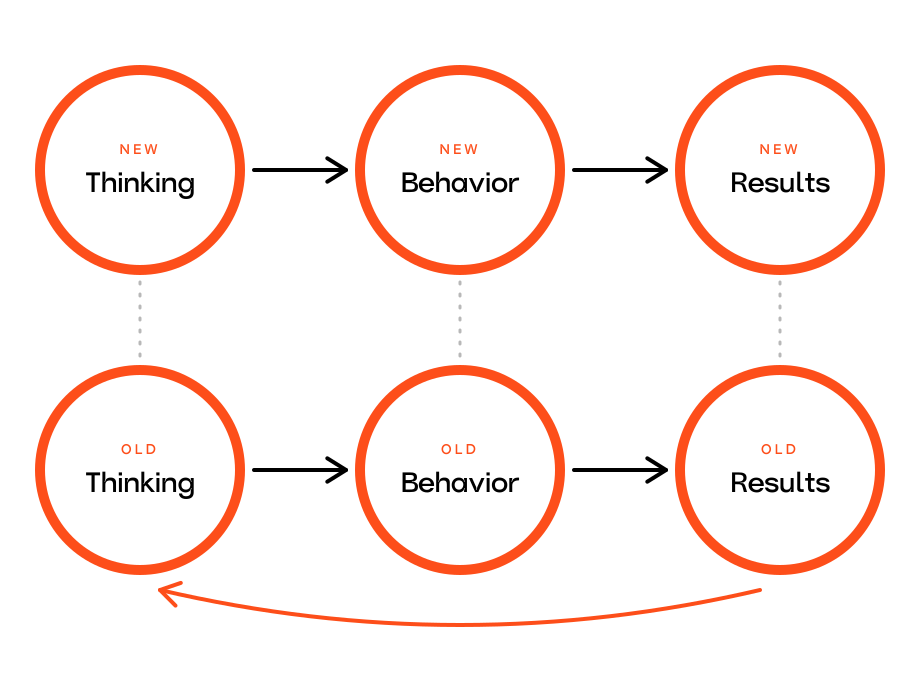
It brings together three elements that shape the results you already have — thinking, behavior, and outcomes — and uses the same structure to help you examine the results you want to create.
Rather than treating thoughts, actions, and results as separate problems, Six Circles places them in one connected picture, making it easier to step back, see the relationships between them, and identify where meaningful change may need to begin.
Six circles. Two sides of change. One connected picture.
Because change is connected.
We often try to change our lives one piece at a time.
Each can matter. But none exists in isolation.
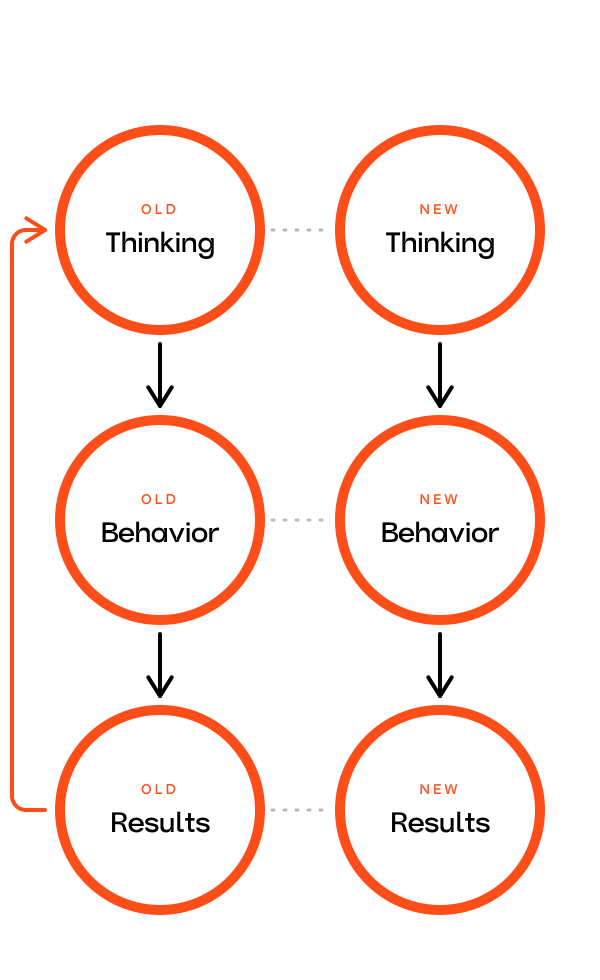
The way we think can influence the choices we make. Our repeated choices can shape our behavior. And over time, those patterns contribute to the results we experience.
Six Circles brings these elements into one view so you can examine not only what is happening, but also the patterns and connections that may be contributing to it.
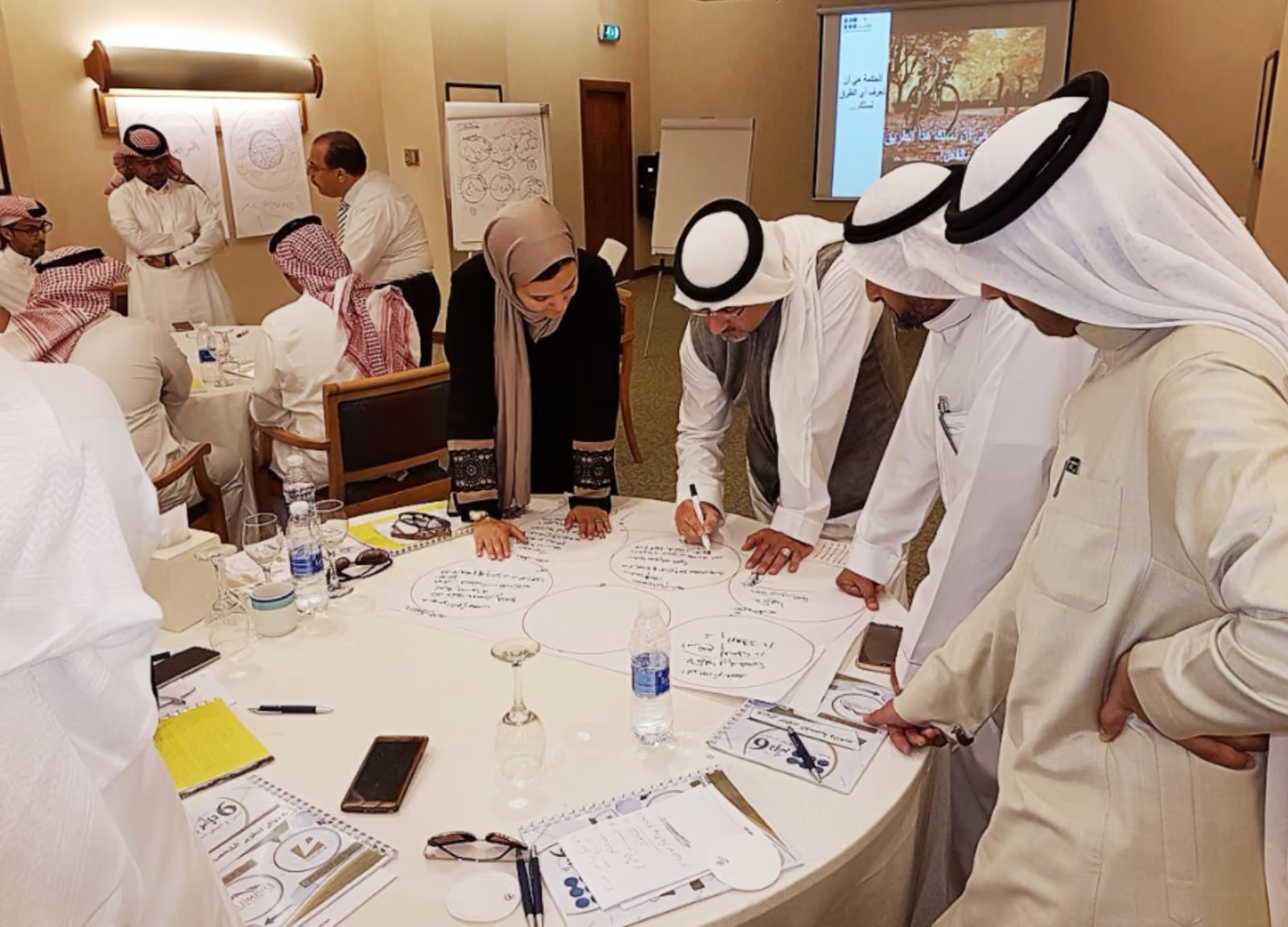
Sometimes the place where you see the problem is not the place where change needs to begin.
Step back. See the pattern.
The Six Circles Framework places your current reality and your desired future within the same visual structure.
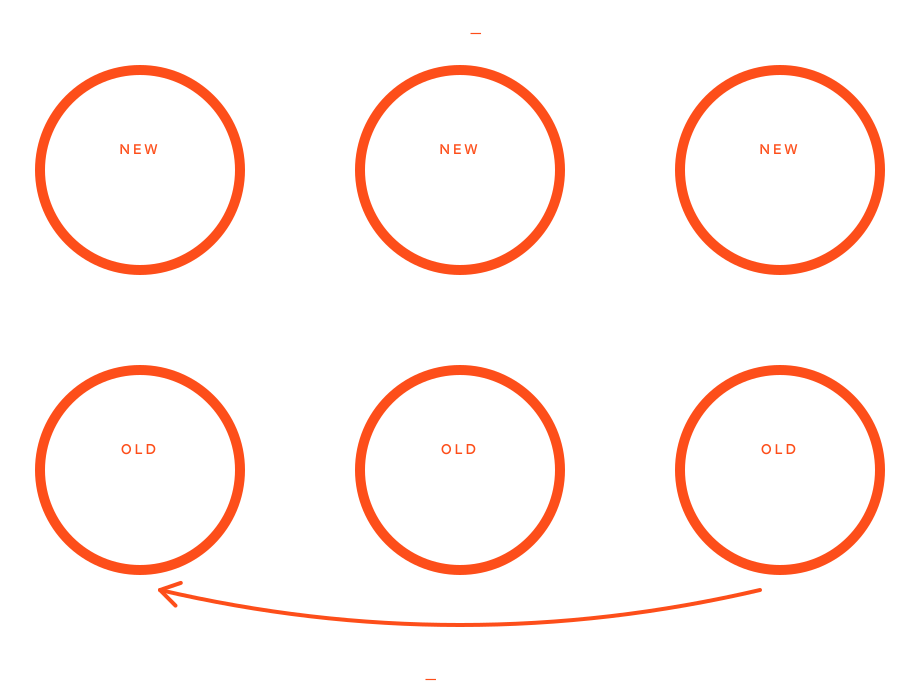
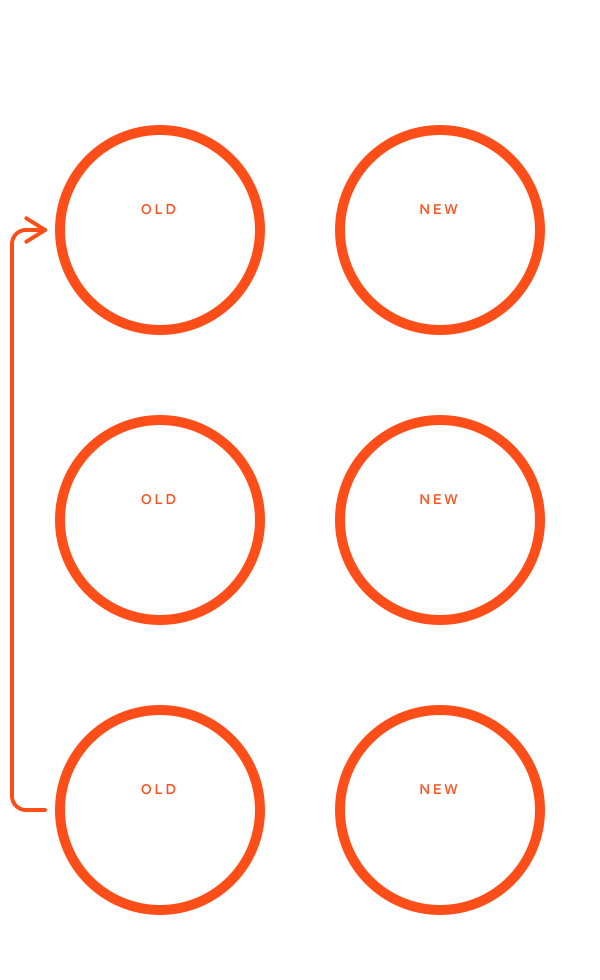

Your Old Pattern (Current)
The first three circles help you examine your current results, the behaviors producing them, and the thinking behind those behaviors.

Your New Pattern
The next three circles help you define the results you want to create, the behaviors that can move you toward them, and the thinking that supports those behaviors.
Together, the six circles give you a way to move between two perspectives:

Look backward
Look backward to understand what may have contributed to where you are.

Look forward
Look forward to design what you want to do differently.
Understand the past. Design the future.
From seeing the pattern to changing it.
Six Circles is designed to be worked through, not simply looked at.
Begin with one area of focus — a result, situation, or part of your life you want to understand or change.
Look clearly at the results you have now.
Work backward to examine the behaviors and thinking that may be connected to those results.
Identify the new result you want to move toward.
Consider the thinking and behaviors that could better support that direction.
Turn what you see on the page into choices and actions in real life.
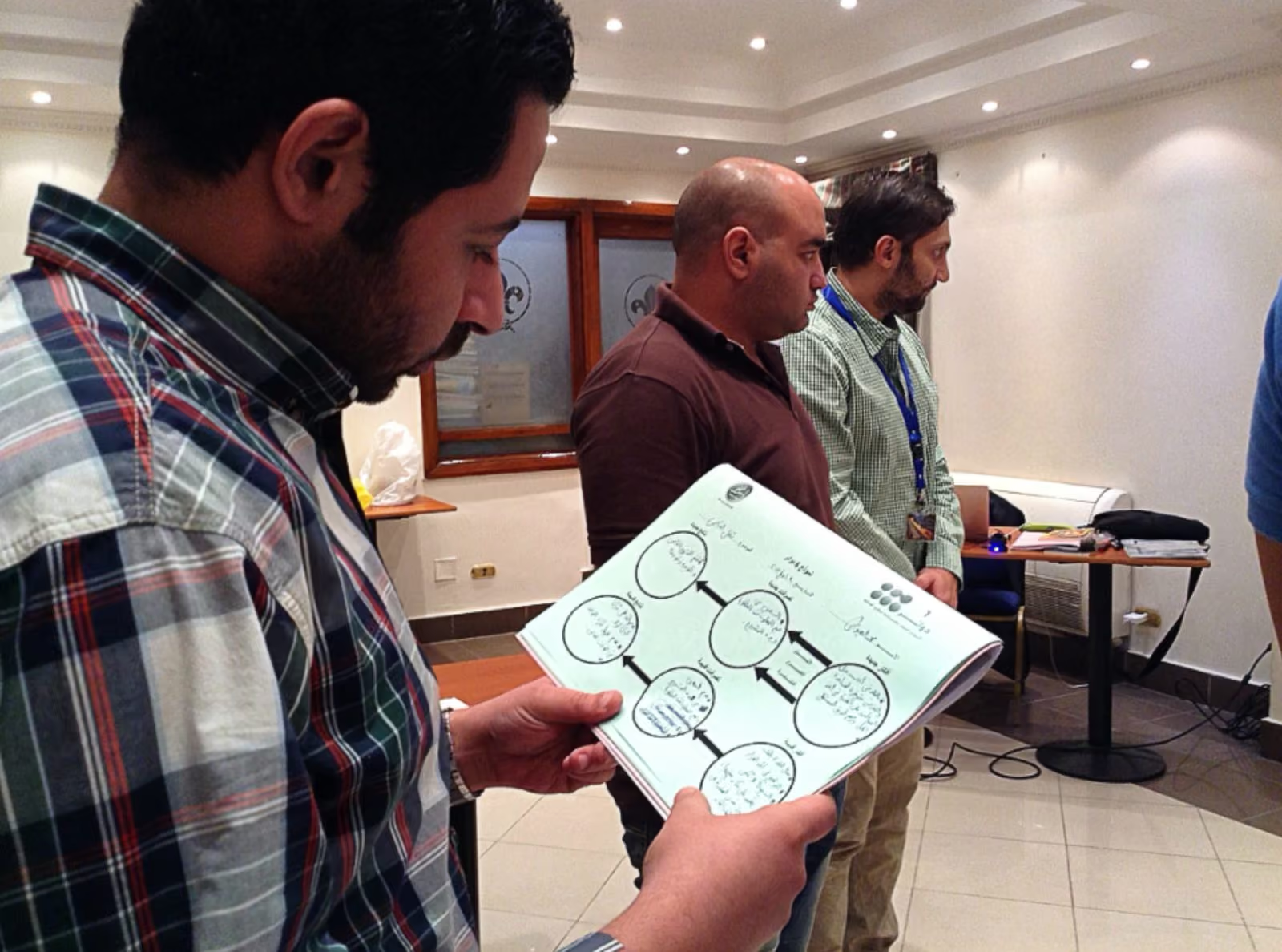
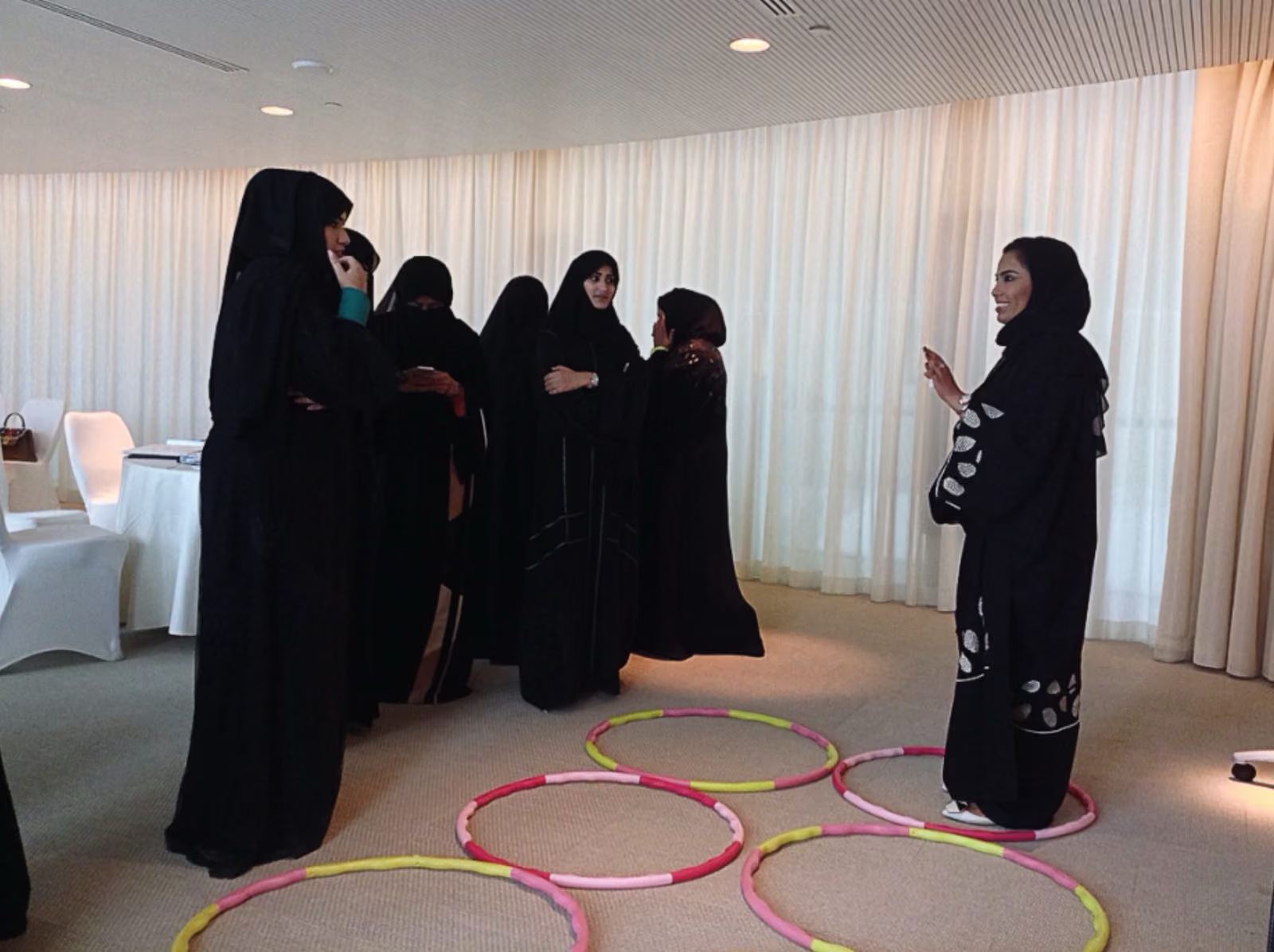
See where you are. Understand the pattern. Choose what comes next.
Built over time. Refined through use.
The Six Circles Framework began in 2006, when Yasser Fathy developed the first version of the model through his work in training and personal development.
What began as a simple way to make the process of change easier to see became a framework he continued to teach, apply, and refine over the years.
Working with people across different cultures, professions, and environments provided an ongoing real-world context in which the framework could evolve — becoming clearer, more practical, and easier to use.
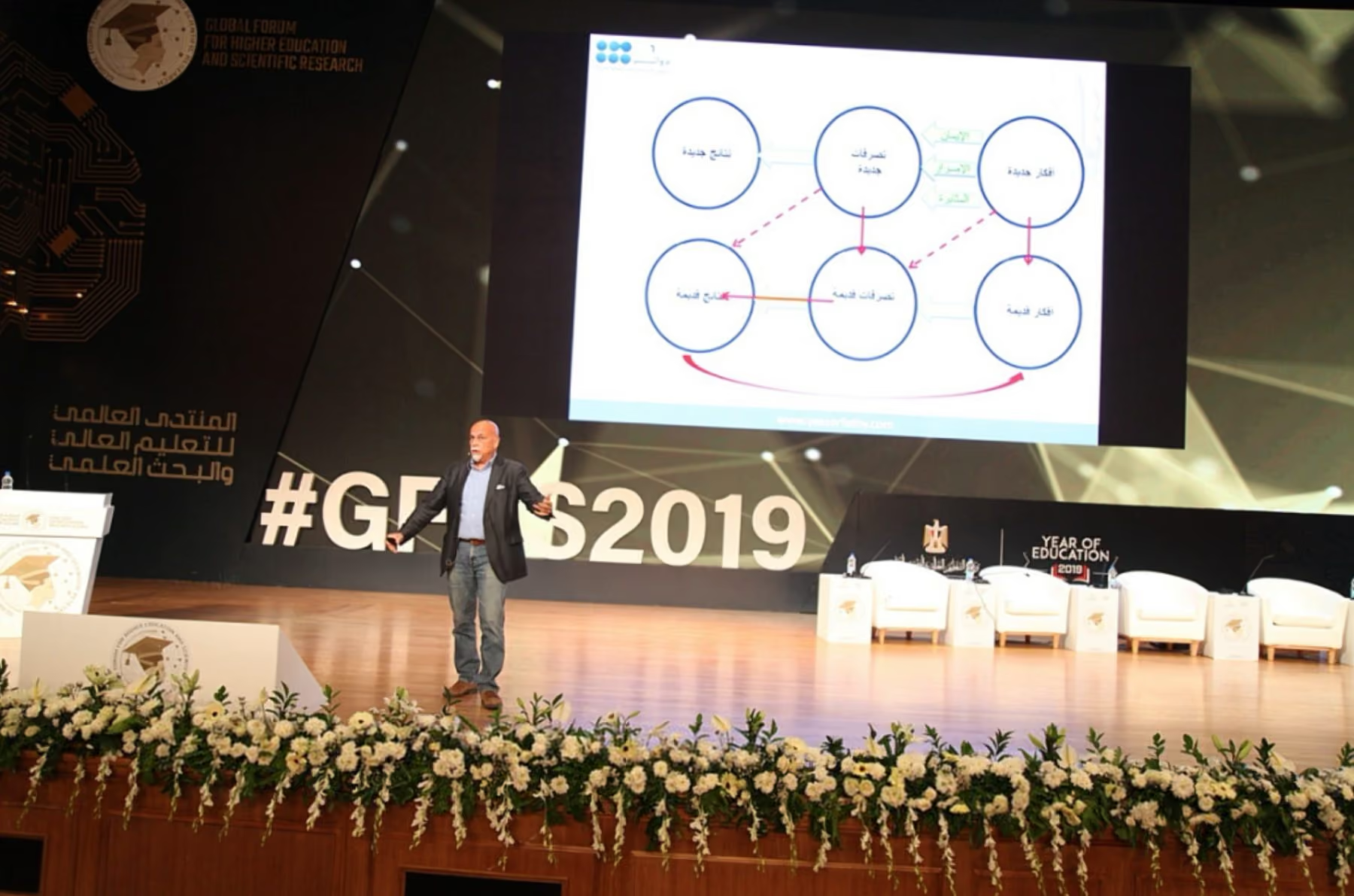
Twenty years later, the core idea remains intentionally simple:
Make change visible enough to examine — and practical enough to work with.

Seeing the framework is the beginning.
The Six Circles Framework can fit on a single page.
The book begins there — then goes further.
Across eight connected chapters, it explores not only how to understand and apply the Six Circles model, but also the principles, patterns, and choices that shape meaningful and lasting change.
One page introduces the framework. Eight chapters expand the journey.